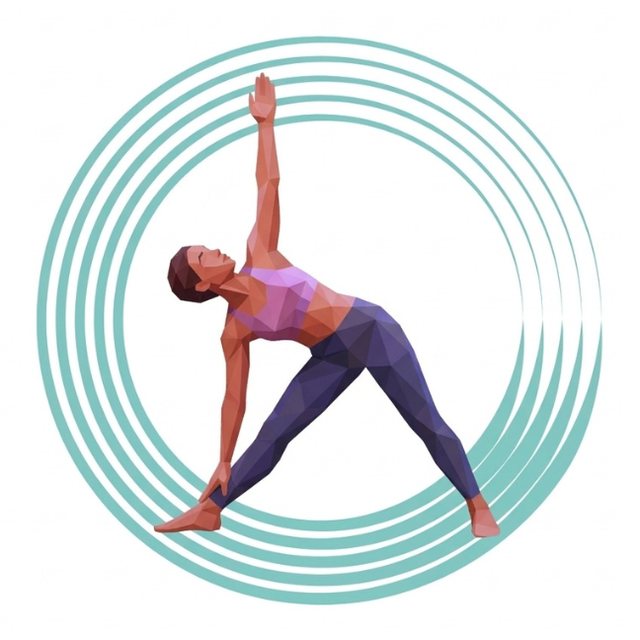
Micro-bend the front knee to avoid hyperextension. Ground through the outer edge of the back foot.
Priya · YTT 200, week 3You hear a hundred small corrections during YTT, and most are gone by next week. AsanSpace keeps each one attached to the pose it belongs to, so you can find it later and build it into something you can teach.
Micro-bend the front knee to avoid hyperextension. Ground through the outer edge of the back foot.
Priya · YTT 200, week 3A block under the bottom hand opens the chest without straining the low back.
Personal practice · Aug 14Three steps, in this order, every time: what you note becomes what you teach.
100+ foundational asanas organized by standing, seated, backbend, inversion, and restorative — each one a place your notes can live.
Instructions, corrections, and your own observations sit directly on the asana they refer to — not buried in a notes app.
Every note keeps its source — teacher, book, workshop, or practice — so you can trace a cue back when you need to check it.
Attach a reference photo to any note — useful the moment a verbal correction is easier to remember as an image.
"By week six I had more useful notes than my printed manual — and I could actually find the one I needed."
"The photo references saved me for inversions especially. A written cue only goes so far when you're upside down."
"I recommend it to every cohort now. Trainees who log cues as they hear them retain corrections noticeably better."
Yes. Capturing notes, building the pose library, and creating sequences is free for the length of your training.
Your notes are private by default. Nothing is shared publicly unless you turn a sequence into a share link yourself.
Yes — most trainees keep going and use it to build sequences for the classes they start teaching.
Yes, AsanSpace works in any mobile browser, so you can log a cue right after class while it's still fresh.
Start building your yoga knowledge library today.